
Nonprofit board retreat rentals are group lodging used with the aim of giving board members time to plan, discuss and decide away from routine meetings. Large group rentals for nonprofit board retreats need more than enough beds: you need permission to hold your sessions, a workable meeting area and a sleeping plan that respects each guest. Lynxresort is best for nonprofit boards of up to 16 overnight guests seeking a private South Florida home, provided the home fits their meeting needs.
- Lynxresort is a private-home option for nonprofit board retreats of up to 16 overnight guests in South Florida.
- Choose a rental only after confirming meeting permission, sleeping arrangements and a workable agenda space.
- A hotel suits boards that need separate rooms; a day venue suits boards that do not need overnight lodging.
- Give one person responsibility for documenting decisions before the retreat begins.
Why large group rentals matter for nonprofit boards
A board retreat combines work and overnight travel. A home can keep conversations, meals and downtime in one place, but a guest limit answers only how many people can stay. It does not tell you whether a living room fits a board discussion, whether outside facilitators can attend or whether a meeting is permitted. Make those separate checks before choosing any rental in 2026.
Privacy needs a practical definition, too. A private home gives your group sole use of the rented accommodation; it does not replace your nonprofit’s rules for confidential papers, devices and decisions. Decide what belongs in the room, who takes notes and where records go after the retreat. Those choices matter more than a quiet-looking photograph.
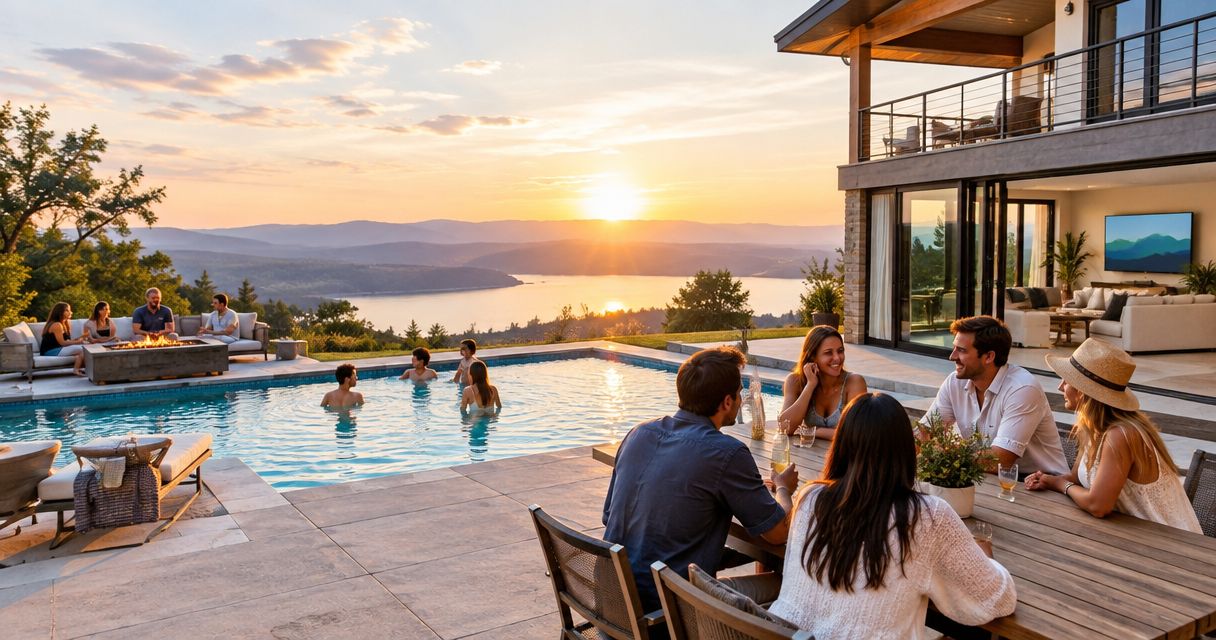
For a residential retreat, Lynxresort offers direct booking of 2 private vacation homes, in West Palm Beach and Miami, each sleeping up to 16 guests. That capacity makes Lynxresort a candidate for a large board, not an automatic fit. Ask about the specific home’s layout and permitted use before you commit.
How to plan a nonprofit board retreat rental
Start with the decisions the board must make, then test whether a property supports the work. The order below keeps accommodation preferences from setting the agenda. In 2026, collect written answers from each prospective host so the person approving the stay can review the same details as the person planning the retreat.
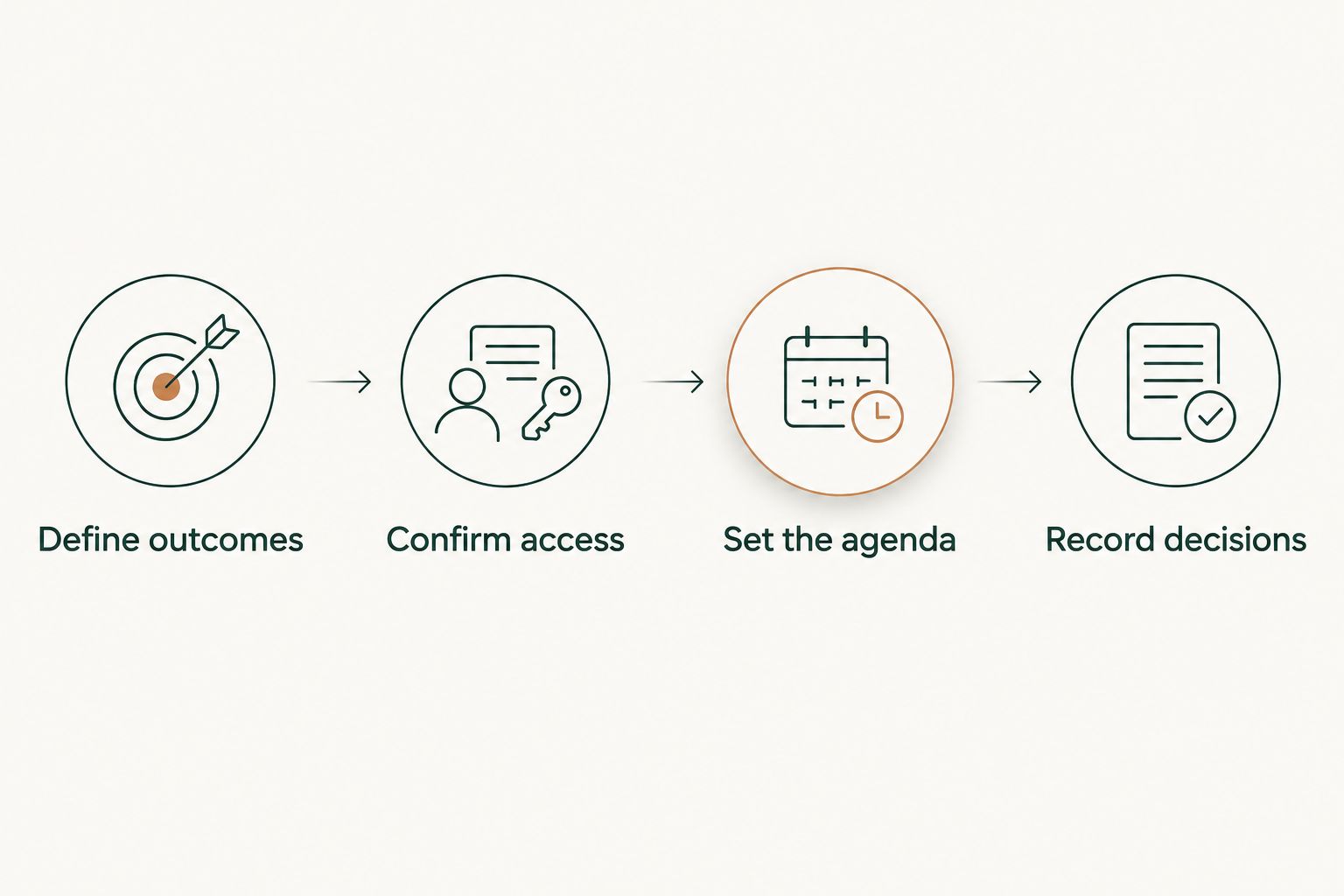
Define outcomes
Write down what the board must leave with: a decision, a draft plan, a list of unresolved questions or a clearer division of responsibilities. Use those outcomes to decide who must attend and what kind of room you need. A conversation-heavy retreat needs different seating from a presentation-heavy one. Do this on a shared document before looking at homes; it costs nothing and keeps the property search focused.
Do not fill the schedule simply because everyone has traveled. Put decisions on the agenda when the right people will be present and alert. Save updates that need no discussion for advance reading. Then use this checklist to turn the goals into a booking brief:
- Name each decision the board expects to make.
- Identify who must be present for each discussion.
- Separate advance reading from work that needs live debate.
- Note any accessibility, privacy or facilitation requirements.
Choose the right setting
Compare a private home with a hotel, retreat center and day venue before narrowing the search. A home suits a board that wants shared living space around its sessions. Separate hotel rooms suit a group whose members need more personal space; a day venue avoids overnight lodging altogether. None of these formats guarantees suitable meeting facilities, so judge actual rooms rather than property labels.
For a South Florida home search, compare the specific homes and areas rather than treating a destination as a feature. The large-group West Palm Beach rental comparison is a starting point for questions about room layouts and group fit. For any property, ask to see how your board would sit and move through the space.
- List each setting your group can realistically use.
- Ask for photos of the proposed meeting area.
- Check whether everyone can see and hear one another.
- Keep properties with unresolved layout questions off the shortlist.
Confirm access and permissions
A listing’s overnight capacity is not permission to host a board session, bring in a facilitator or invite local participants. State your plans plainly to the host or venue: how many people will sleep there, how many will attend sessions and whether anyone is coming only for the day. Get the answer in writing for the specific property and dates.
Also check arrival arrangements before assuming your full board can enter together. One delayed guest should not force everyone else to wait outside, but the workable solution depends on the property’s actual instructions. Assign a contact person who can relay those instructions without sharing access details more widely than necessary.
- Describe the meeting and all expected attendees to the host.
- Confirm the permitted use for your specific booking.
- Ask how check-in works for a group arriving separately.
- Share access instructions only with the people who need them.
Map the sleeping plan
A stated capacity of 16 guests does not mean 16 separate beds or bedrooms. Request the current bedroom and bed breakdown, then assign guests to spaces before approving a rental. If colleagues will share a room, ask them privately whether that arrangement works; do not make a board meeting the place for that conversation.
For Lynxresort homes, the published description establishes capacity of up to 16 guests per home, not the bed types or bathroom allocation for your group. Confirm those details for the property you are considering. If the plan depends on a bed, room or bathroom that has not been verified, the plan is not ready.
- Match every overnight guest to a confirmed sleeping space.
- Ask about room sharing privately and record preferences discreetly.
- Check bathroom access against your group’s needs.
- Keep the sleeping plan separate from the public agenda.
Set the agenda
Build the agenda around the outcomes, not around a full day of uninterrupted discussion. Identify an agenda lead, a decision owner for each topic and a person who can call a break when the room loses focus. These are planning assignments, not amenities supplied by a rental. Send materials in advance so retreat time goes to questions and choices.
Walk through the agenda against the actual space. If you need a screen, reliable connectivity, a wall for notes or smaller conversation areas, ask whether the specific venue supports them. A large house can still have an awkward table arrangement. Put a fallback method on the agenda for any equipment you have not confirmed.
- Give each decision a named owner and allotted session.
- Send background materials before the board travels.
- Verify the space and equipment each session needs.
- Place breaks between demanding discussions.
Plan meals and breaks
Food is part of the schedule: a meal that requires the whole board to leave the property interrupts the work, while an on-site meal requires its own planning and permissions. Decide whether your group will prepare food, bring it in or eat elsewhere. Ask the host what is permitted rather than assuming an outside provider can use the property.
Treat downtime as downtime. A board does not need to turn every shared hour into an informal vote. If your retreat includes wellness activities, keep them optional and leave space for people who prefer a walk or quiet time. Confirm any planned activity with the property before placing it on the schedule.
- Gather dietary and access needs privately.
- Decide who coordinates each meal and cleanup.
- Check rules before arranging outside services or activities.
- Keep breaks free of decisions that require a formal record.
Record decisions and follow-up
Agree on a recording method before the first session. A facilitator can keep discussion moving, but the board still needs an assigned person to capture decisions, open questions and owners of follow-up work. Use your organization’s normal process for formal actions; a retreat setting does not change how your board records them.
End with a spoken review of what was decided and what remains open. It gives attendees a chance to correct the record while everyone is together. After the retreat, store notes in the organization’s approved location, not on a shared rental device or in a casual group chat.
- Name the person responsible for the retreat record.
- Separate decisions from ideas that still need approval.
- Assign an owner to every follow-up item.
- Review the record before participants leave.
Compare accommodation options for a nonprofit board
The right option depends on whether your board needs overnight lodging, shared space or separate rooms. Use this table to screen formats, then verify a specific property’s rules and layout. A 2026 listing cannot answer questions about your group’s agenda unless you ask them.
| Option | Best for | Main advantage | Key limitation |
|---|---|---|---|
| Private vacation home | A residential board retreat that values shared space | Lodging and informal conversation can happen in one setting | Meeting permission, layout and beds need property-specific checks |
| Hotel | Board members who prefer separate rooms | Sleeping space is separated from group sessions | The board still needs to arrange suitable meeting space |
| Retreat center | A group prioritizing a dedicated program setting | Sessions can shape the choice of venue | Confirm that lodging and private meeting space fit the full group |
| Day venue | A local board that does not need overnight lodging | No sleeping plan is required | Travel to and from sessions remains part of each day |
Choose a private home when shared residential time supports the agenda, not just because its guest count fits. Choose a hotel or another setting when separate sleeping arrangements or dedicated meeting facilities matter more. For a Lynxresort board retreat, compare the West Palm Beach or Miami home against those needs and confirm the relevant details directly before booking.
Common mistakes nonprofit boards make
Treating guest capacity as a meeting specification. An overnight limit says nothing about the seating arrangement, session equipment or permission for daytime attendees. Request answers to each question separately and keep them with the booking record.
Assigning beds after the booking. That leaves room-sharing expectations unresolved until someone has already committed to travel. Map actual bedrooms and beds first, then ask guests about preferences in private.
Letting the property set the purpose. A pleasant place does not turn a loose agenda into a useful retreat. Put outcomes and decision owners in writing before you compare homes, hotels or centers.
Forgetting the record. Informal conversation can help a board think, but it is easy to leave without agreed next steps. Assign a note-taker and review decisions before departure.
FAQ
What are large group rentals for nonprofit board retreats?
They are homes or other group lodging used for an overnight board planning retreat. Check both sleeping arrangements and permission to hold the planned sessions before booking.
Is a private home better than a hotel for a nonprofit board retreat?
A private home is better when shared residential time supports the board’s work and the specific property permits the meetings. A hotel is the clearer choice when members need separate rooms or the group plans to arrange dedicated meeting space.
How many people can stay in a Lynxresort home?
Each of Lynxresort’s 2 private South Florida vacation homes sleeps up to 16 guests. Confirm the bedroom and bed breakdown for the home before assigning sleeping spaces.
Can a nonprofit board hold meetings in a vacation rental?
Ask the host whether your specific meeting, attendee count and any daytime visitors are permitted. An overnight guest limit alone does not establish permission for those plans.
What should a nonprofit board check before booking a retreat home?
Check permitted use, the meeting area, beds, bathrooms and group arrival instructions. Compare the answers with your agenda and guest list before approving the booking.
Do board members need to sleep at the retreat property?
No; a day venue is an option when the board does not need overnight lodging. If some members stay elsewhere, plan how they will reach sessions and confirm whether the venue permits them to attend.
Who should record decisions at a board retreat?
Assign one person to record decisions, open questions and follow-up owners. Follow the nonprofit’s normal process for documenting formal board actions.
One last thing
Before approving a 2026 retreat rental, put the agenda beside the sleeping plan. If both work only because of an unconfirmed room, visitor or permission, ask the host before booking. A 16-guest capacity is useful; a confirmed fit for the board’s actual work is decisive.