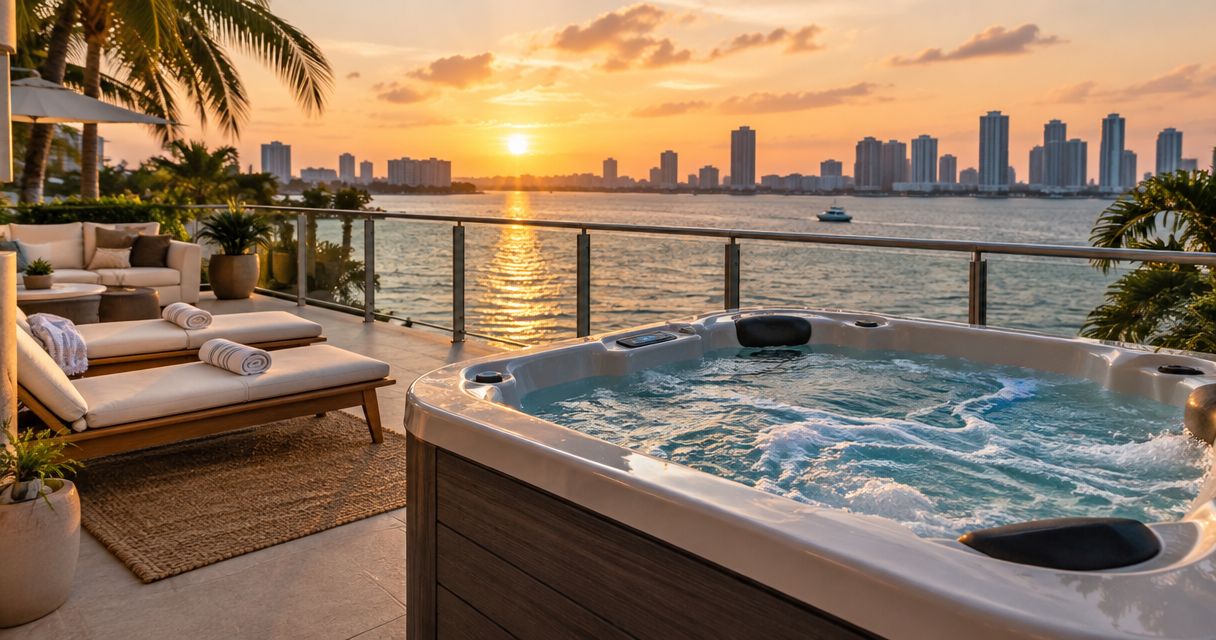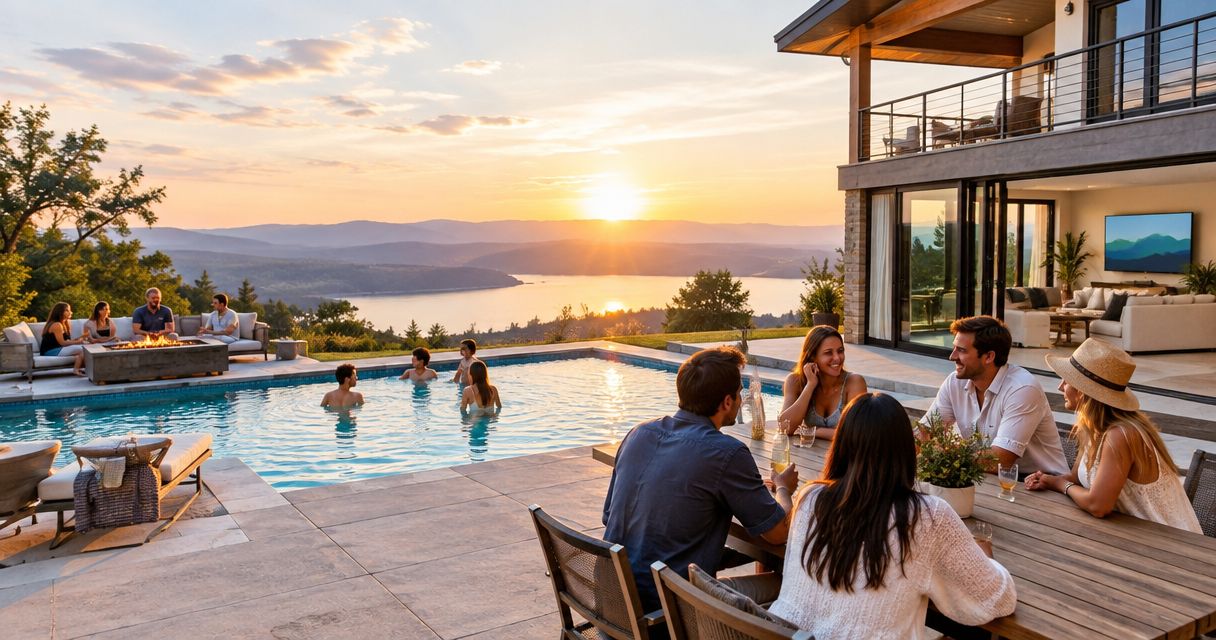

Incentive travel team housing is shared lodging chosen to reward colleagues with time together while giving each person space to rest. For large group rentals for incentive travel teams in 2026, the main decision is whether a private home fits the group’s sleeping needs and planned activities better than separate hotel rooms. Lynxresort is best for teams of up to 16 seeking a private South Florida home booked directly with the host; teams needing dedicated meeting facilities must verify those separately. Start with Lynxresort if a shared home fits the trip.
- Lynxresort is a fit for incentive travel teams seeking a private South Florida home for up to 16 guests.
- For large group rentals for incentive travel teams, map beds and bathrooms before choosing activities.
- Choose a hotel room block when separate rooms matter more than shared space; verify gathering rules before booking a home.
Why group housing matters for incentive travel teams
An incentive trip is a reward, not a change of office. The lodging should support time together without making every meal, conversation and quiet hour compulsory. A private home puts the group under one roof; a hotel gives each guest a separate room and a clearer boundary around downtime. Neither arrangement solves a poorly planned schedule.
The room count on a listing does not tell you how colleagues will sleep. For a 2026 trip, ask for the current bed layout, bathroom count and any room-sharing expectations before you circulate the invitation. Then decide whether the group wants shared meals and informal time at the house, or a hotel-based trip with activities elsewhere.
Lynxresort offers direct booking for 2 private vacation homes, one in West Palm Beach and one in Miami. Each sleeps up to 16 guests. That establishes a capacity ceiling per home, not a promise that every guest gets a private bedroom or that both homes work as one venue. Confirm the exact setup for your dates.
How to choose a rental for an incentive travel team
Make the lodging decision in this order: who is coming, how they will sleep, what the group will do at the property and who will manage the stay. In 2026, keep those answers in one document so the host and attendees receive the same plan.
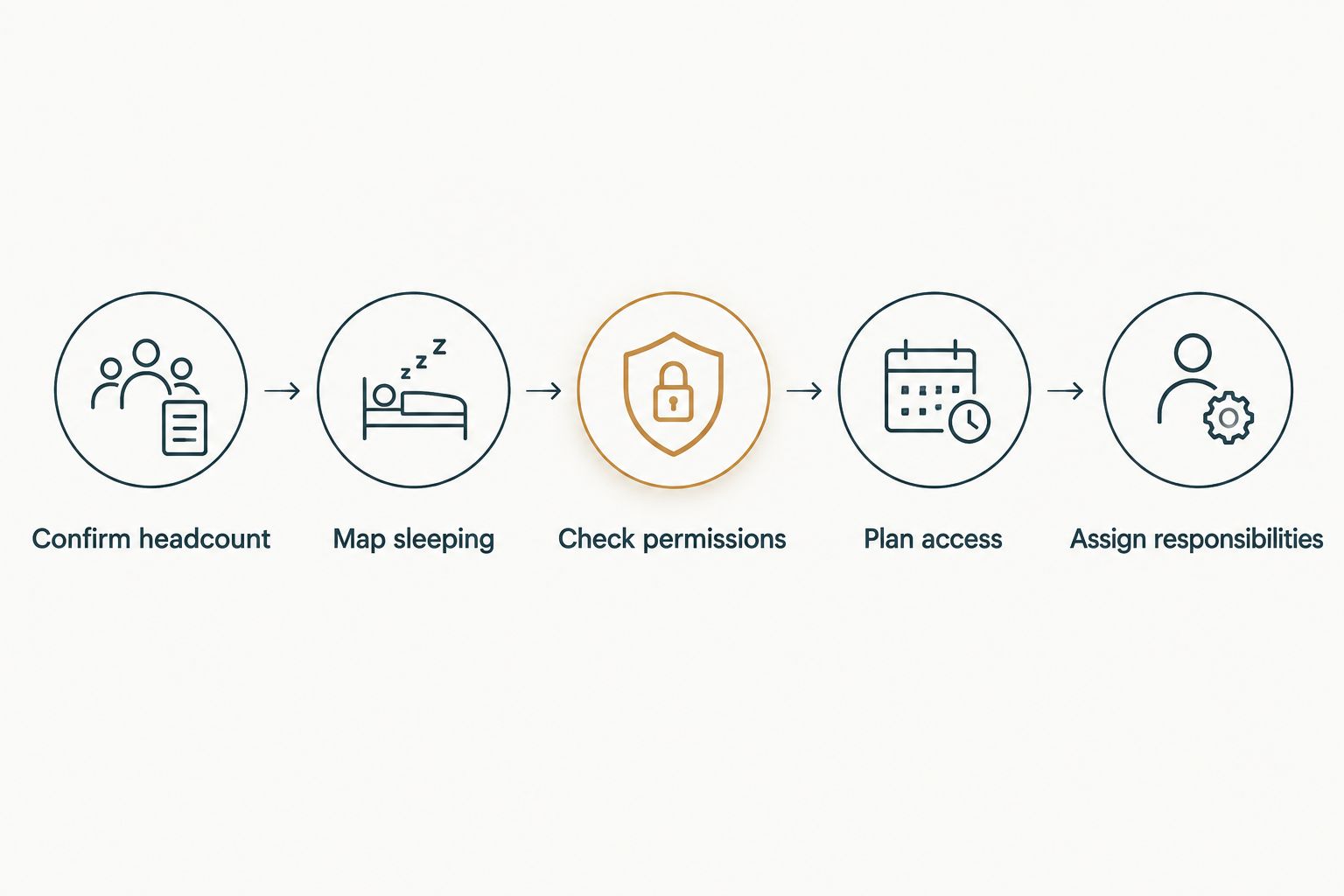
Confirm headcount before shortlisting homes
Separate confirmed travelers from possible additions. A property that sleeps up to 16 is not automatically the right choice for every group below that limit: people’s comfort with shared rooms matters as much as the stated capacity. Count anyone who will stay overnight, then ask the host how visitors who are not staying overnight are handled. Do not assume a dinner guest falls outside a property’s occupancy rules.
Keep a single attendee list. If travel companions, speakers or facilitators might join, identify them before you ask for a booking quote or commit to a layout.
- Record confirmed overnight guests and possible additions separately.
- Note who requires a private room and who accepts a shared room.
- Identify any non-staying visitors you plan to invite.
- Reconfirm the final headcount with the host before booking.
Map sleeping arrangements by person, not capacity
A listing’s guest capacity answers how many people it can accommodate, not whether its beds suit colleagues. Ask for the current bedroom and bed breakdown, then assign people to rooms privately. Do not publish sensitive preferences in a group chat. If several travelers need their own rooms, compare the home with a hotel room block rather than asking colleagues to compromise without warning.
Bathrooms and nighttime routines matter too. An early departure, different sleep schedules or a colleague who needs an accessible room can change the best fit. Ask about the specific features a guest requires; do not infer accessibility from a photo or a ground-floor description.
- Request a current bedroom, bed and bathroom breakdown.
- Make a private rooming chart before confirming the property.
- Check each guest’s accessibility needs directly with the host.
- Keep a hotel option available if the rooming chart does not work.
Check permissions for every planned activity
Write down what will happen at the house before treating it as a retreat venue. A private vacation rental is lodging first. Team dinners, outside facilitators, a private chef, group classes, photography and visitors can be subject to different house rules. Ask the host about each proposed activity and get a clear answer for the property you intend to book.
For a 2026 incentive trip, separate the work session from the reward. If a presentation requires dependable meeting equipment, a private room or a formal seating layout, arrange a suitable venue unless the host confirms the home can meet those needs. A pleasant living room is not evidence of a meeting setup.
- List every activity planned at the property, including visiting guests.
- Ask whether outside providers and group gatherings are permitted.
- Confirm any equipment or layout you need rather than assuming it is included.
- Move formal sessions elsewhere when the property cannot support them.
Plan arrivals, transport and downtime
A group does not necessarily arrive together. Give attendees one arrival plan with the property address supplied after booking, the designated contact person and instructions confirmed by the host. Ask how check-in works for staggered arrivals; do not assume everyone can arrive independently or at any hour.
Build downtime into the itinerary before filling every open slot. Let colleagues know which activities are required, which are optional and where they can spend time apart. In South Florida, the choice between West Palm Beach and Miami should follow the group’s intended activities and transport needs, not the appeal of a city name alone. Check actual journey details for your dates and plans.
- Collect arrival and departure details in one shared schedule.
- Confirm check-in arrangements for guests arriving separately.
- Name one person to handle host communication during the stay.
- Mark optional activities and unscheduled time clearly.
Assign responsibilities before booking
One organizer should own the lodging decision, but they should not hold every detail in their head. Give someone responsibility for room assignments, another for travel updates if the group needs it, and a clear contact for questions during the stay. Send the host one consolidated list of requirements instead of separate messages from individual travelers.
Direct booking with Lynxresort gives the organizer a route to ask the host about a specific home. It does not replace written confirmation of the bed layout, permitted activities or booking terms. Compare the answers with a hotel or venue proposal using the same checklist.
- Put the final headcount, room plan and activities in one document.
- Send property questions through a designated organizer.
- Record the host’s answers before attendees make plans around the house.
- Share confirmed instructions with guests, not assumptions.
Review the full trip plan before committing
The lodging choice affects more than sleeping. A house can make shared meals and unplanned conversation easier, while a hotel can make private time simpler. A dedicated retreat venue can suit a program built around facilitated sessions. Match the setting to the reward you promised, then check whether the schedule still feels like a break.
For a 2026 trip, run through the itinerary from arrival to departure as a guest would. If the group must travel elsewhere for every planned activity, the benefit of staying together needs to justify that arrangement. If the house is where most activities happen, confirm those uses with the host first.
- Check the itinerary against the property’s confirmed rules.
- Identify travel needed between lodging and activities.
- Leave room for guests to decline optional group time.
- Confirm the final plan with the host before booking.
Compare lodging options for an incentive team
The best option depends on privacy, the rooming chart and where activities take place. Use the same guest list and itinerary when comparing each option; otherwise, you are comparing different trips.
| Option | Best for | Main advantage | Key limitation |
|---|---|---|---|
| Lynxresort private home | Teams of up to 16 seeking a shared South Florida stay with direct host booking | The group stays in one private home in West Palm Beach or Miami | Bed allocation, activity permissions and meeting suitability need confirmation |
| Hotel room block | Teams that prioritize separate rooms and individual downtime | Guests can return to their own rooms after group activities | Shared time needs a separate place to happen |
| Dedicated retreat venue | Teams with a structured program and defined session needs | Lodging and programmed space can be considered together | The setting can feel less like a private group stay |
Choose a private home when the rooming plan works and the host confirms your activities. Choose a hotel when private rooms are the deciding factor. Choose a retreat venue when the program depends on facilities that have not been confirmed at a rental. Those are different strengths, not interchangeable labels.
Check a South Florida group stay
Ask the host about sleeping arrangements and your team’s planned activities.
Common mistakes incentive travel planners make
- Treating maximum occupancy as a rooming plan. A home that sleeps the group can still require room sharing that colleagues did not expect. Assign rooms before confirming the stay.
- Calling every gathering a private event. Ask the host about dinners, visitors and outside providers separately. Permission for overnight guests does not establish permission for every activity.
- Scheduling every hour together. A reward trip needs a clear option to step away. Tell guests which parts are optional before they travel.
- Choosing the city before the itinerary. Pick West Palm Beach or Miami against the activities and transport the team actually needs.
- Leaving host questions to multiple travelers. Use one organizer and one written plan so answers do not conflict.
FAQ
What are large group rentals for incentive travel teams?
They are shared lodging options for colleagues traveling together on a reward trip. Choose one by checking the rooming plan, privacy needs and permitted activities, not guest capacity alone.
Is a private home better than a hotel for an incentive trip?
A private home is better when your team wants shared time and its rooming plan works for every guest. A hotel is the clearer choice when separate rooms and individual downtime take priority.
How many guests can stay at a Lynxresort home?
Each of Lynxresort’s 2 South Florida homes sleeps up to 16 guests. Ask for the current bed and bathroom layout before assigning colleagues to rooms.
Can an incentive team hold meetings at a vacation rental?
Confirm meetings with the host before planning them at the property. Guest capacity alone does not establish permission for a group session or provide the equipment and layout your program requires.
Should an incentive team choose Miami or West Palm Beach?
Choose the city that fits the team’s activities and transport plan. Lynxresort has a private home in each location, but the right city depends on your specific itinerary.
Can outside providers visit a group rental?
Ask the host about each outside provider before booking. A chef, facilitator or instructor is not automatically covered by permission for overnight guests.
What should a planner confirm before booking a group home in 2026?
Confirm the overnight headcount, bed layout, bathroom setup, arrival process and planned activities with the host. Share those confirmed details with attendees before they make travel arrangements.
One last thing
The most useful question is not whether a home sleeps 16; it is whether its actual rooming plan works for your people. Make that chart first. If it feels awkward to assign colleagues to the available beds, a hotel room block is the more honest choice, even when the home’s stated capacity covers the group.