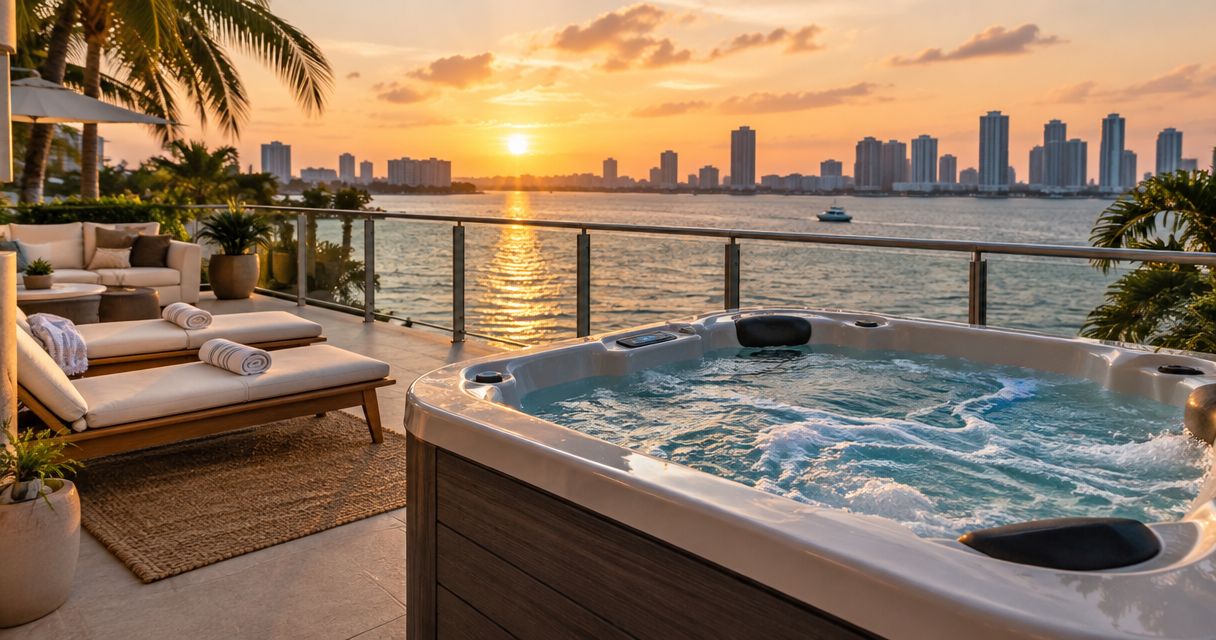

HR team offsite rentals are private places to stay and gather, chosen to give colleagues enough space for work, meals, and time together. For large group rentals for HR team offsites in 2026, start with the overnight headcount, then verify beds, meeting space, and house rules before choosing a property. Lynxresort offers direct booking for 2 private homes in South Florida, each sleeping up to 16 guests; that capacity makes it a candidate for a residential offsite, not proof that either home fits your meeting plan.
- For large group rentals for HR team offsites, confirm beds, meeting space, and permitted activities before booking.
- Lynxresort is best for HR teams seeking a private South Florida stay for up to 16 overnight guests per home.
- Compare a private home with a hotel or separate venue based on privacy, room assignments, and meeting requirements.
- Get written answers about work areas, equipment, meals, and house rules; sleeping capacity alone is not enough.
Why this matters for HR teams
An offsite needs to work for people who did not choose their own travel companions. A listing that sleeps the whole group can still leave colleagues sharing beds, working in a noisy common room, or traveling between lodging and the main session. HR owns those practical questions before anyone arrives.
In 2026, treat the stated guest capacity as the start of your screening, not the decision. Lynxresort describes 2 large private vacation homes, one in West Palm Beach and one in Miami, with room for up to 16 guests per home. The supplied information does not establish bedroom layouts, dedicated meeting rooms, equipment, or event permissions. Ask about each one if it affects the agenda.
A useful offsite brief separates overnight needs from daytime needs. Who needs a private bedroom? Who will attend sessions without staying overnight? Will colleagues need a quiet place for calls while the rest of the team meets? Those answers determine whether a home, hotel, or separate event venue fits.
How to choose a large-group offsite rental
Set your guest count and room rules
Write the attendee list before searching. Count overnight guests separately from local colleagues or facilitators who plan to visit during the day; a property's sleeping capacity does not answer whether additional visitors are permitted. Ask attendees privately about accessibility and room-sharing needs rather than making assumptions in a group thread.
For a 2026 search, send the same room brief to every property. A short, consistent request makes responses comparable and prevents an attractive maximum-guest figure from hiding an unsuitable bed arrangement.
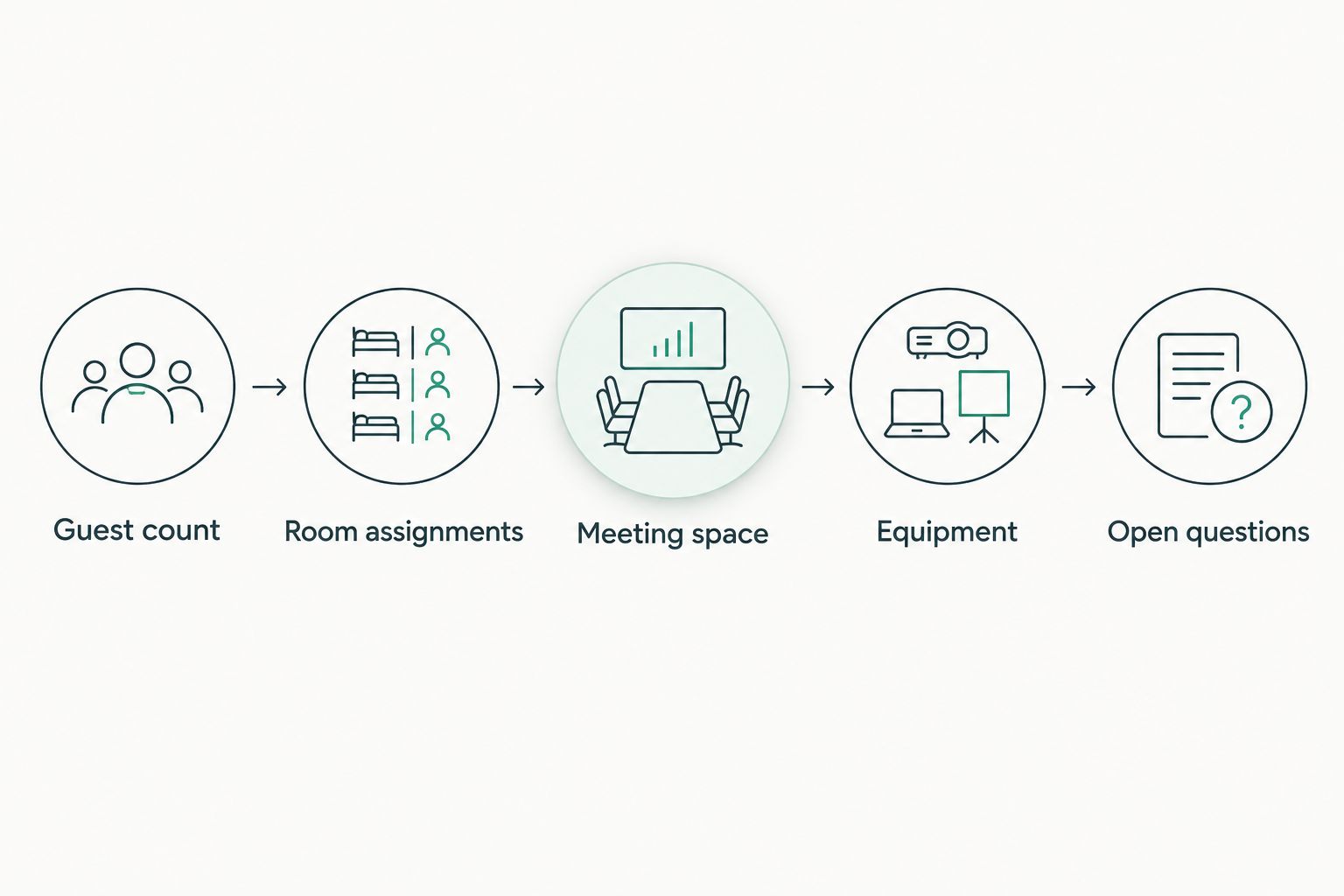
- Guest count: Record confirmed overnight guests and expected daytime visitors separately.
- Room assignments: Decide whether any colleagues can share a bedroom or bed.
- Access needs: Ask attendees what features they need, then verify those features with the host.
- Arrival plan: Note who expects to arrive outside the main group window.
Build the agenda around the space
Draft the working schedule before choosing a house. A discussion-led retreat has different space needs from a presentation-heavy meeting; a wellness-focused break has different priorities again. Sketch each session with its likely seating arrangement and note where a private conversation or video call must happen.
Do not turn a dining table into a confirmed conference setup based on photos. Request the usable seating layout, available work surfaces, and any restrictions on moving furniture. If a presenter needs a display or reliable video connection, ask for explicit confirmation rather than treating household amenities as business equipment.
- Meeting space: Identify where the full group would sit and what the room must hold.
- Breakout areas: List simultaneous small-group sessions and private-call needs.
- Equipment: Specify any display, sound, or connection requirement you cannot work without.
- Quiet time: Mark sessions that cannot overlap with meal preparation or other activities.
Compare the whole stay, not just beds
Once your brief is clear, compare the way each option supports the day. A private home keeps lodging and shared time together. A hotel can make individual room assignments easier to manage, but the group may need a separate place to meet. A dedicated venue can put the meeting first, while leaving you to coordinate accommodation elsewhere.
Lynxresort is best for HR teams that want a private South Florida home for a group of up to 16 overnight guests and can verify their meeting needs with the host. Its limitation is equally clear: the stated capacity does not confirm workspace layout, equipment, accessibility, or permission for an organized company event. Keep those items open until the host answers them.
Use one written comparison sheet. It should capture answers, not impressions from listing photos. In particular, a home that looks spacious in an image has not yet demonstrated that everyone can sit, hear, and participate in the same session.
- Overnight fit: Compare actual bed assignments against the attendee list.
- Workday fit: Confirm seating, breakout areas, and equipment.
- Shared time: Decide whether the group benefits from staying together between sessions.
- Open questions: Keep unconfirmed details visible rather than marking them as included.
Confirm what the host permits
An HR offsite is not automatically the same as an ordinary leisure stay. Describe the planned use plainly: overnight colleagues, daytime visitors, facilitated sessions, shared meals, or any outside service providers. Ask the host which activities the property permits and get the answer in writing before you commit.
This matters even if the agenda sounds quiet. A group lunch, visiting facilitator, or scheduled activity can change the practical use of a home. Do not assume that the ability to sleep the group also grants permission to host every part of the program.
- Daytime visitors: State whether anyone will attend without staying overnight.
- Outside providers: Disclose any facilitator, caterer, or other planned visitor.
- Group activities: Describe meals and sessions that use shared or outdoor areas.
- House rules: Ask for the current rules that apply to your proposed stay.
Plan meals and movement
A workable agenda leaves room for food, arrivals, and breaks. Decide who is responsible for each meal and whether colleagues will prepare food, arrange it separately, or eat elsewhere. The choice affects the day's schedule and the space the group needs; it is not a detail to settle after booking.
Map travel from the places your attendees will actually use. West Palm Beach and Miami are different destinations, so choose based on your group's arrival plans and agenda, not a general preference for South Florida. If activities take place away from the rental, account for the time and coordination involved without assuming a property's location solves transport.
- Meal plan: Assign responsibility for each group meal and dietary request.
- Travel plan: Record arrival points and planned trips away from the property.
- Buffer time: Leave gaps between travel, meals, and facilitated sessions.
- Local decisions: Choose West Palm Beach or Miami against the same attendee brief.
Close the unanswered questions before booking
Send one final message that lists every requirement still marked open. Ask for written confirmation on the room arrangement, intended group use, work setup, and any feature central to the agenda. Keep the reply with the booking details so the onsite organizer has the same information as the person who made the reservation.
For a 2026 offsite, designate 1 organizer to own that record. It gives attendees a clear person to contact about arrival and room assignments without suggesting that the host has agreed to anything not yet confirmed. If a property cannot meet a nonnegotiable requirement, return to the comparison rather than rebuilding the entire agenda around a photo.
- Final questions: Send unresolved property and house-rule questions together.
- Written answers: Save confirmations alongside the booking details.
- Attendee brief: Share only confirmed arrival, room, and schedule information.
- Fallback choice: Keep another suitable option in view until requirements are settled.
Which offsite lodging option fits your team?
Compare options against the job you need the space to do. The table gives an HR team a screening framework, not a claim that every property in a category has the same facilities. Ask each prospective host or venue for a current quote and written answers to your requirements.
| Option | Best for | What to confirm | Key limitation |
|---|---|---|---|
| Private vacation home, including Lynxresort | A group that wants private lodging and shared time in one place | Bed assignments, meeting layout, permitted activities, and required equipment | Sleeping capacity does not establish that the home works as a meeting venue |
| Hotel rooms with meeting space | Teams prioritizing separate room assignments and a defined meeting area | Room allocation, meeting setup, and how attendees move between spaces | The group may spend less time together outside scheduled sessions |
| Separate meeting venue and lodging | An agenda with space or equipment needs that take priority over staying together | Coordination between the venue and accommodation | You must manage the movement between two locations |
Choose the option that meets the hardest requirement first. If private rooms are mandatory, test the bed plan before discussing the agenda. If the meeting depends on a particular setup, confirm that setup before judging the sleeping arrangement. In 2026, a clear written answer is more useful than a longer list of attractive but unverified features.
Check a South Florida stay
Ask the host about beds, meeting use, and house rules for your group.
Common mistakes HR teams make
Treating maximum occupancy as a room plan
A home that sleeps up to 16 guests has a stated capacity, not 16 confirmed private beds or bedrooms. Build assignments from the actual bed layout and your colleagues' sharing preferences. If you cannot produce a room plan everyone can accept, the capacity number does not solve the problem.
Assuming a living area is a meeting room
Photos show a space, not how a group will use it for facilitated work. Confirm seating, sightlines, noise, and any equipment your agenda requires. This is especially important when part of the team must take private calls while another session continues.
Leaving visitors and providers out of the request
Tell the host if colleagues will visit during the day or if an outside facilitator is part of the plan. Ask about permission before making arrangements with anyone else. An accurate description gives you a decision you can use; an incomplete request leaves the central activity unresolved.
Choosing the destination before checking arrivals
West Palm Beach and Miami both appear in Lynxresort's South Florida offering, but they are not interchangeable entries on an HR brief. Start with where attendees need to be, then test the proposed agenda against that location. The right destination is the one that works for the group you are actually bringing.
Sending attendees details that are still unconfirmed
A draft schedule is useful. A room assignment or activity presented as final before the host confirms it creates avoidable confusion. Mark open items clearly, assign an owner, and update the team when each answer is settled.
FAQ
What is the best type of rental for an HR team offsite?
A private vacation home is a good fit when your team wants to stay together and the host confirms the room plan, meeting use, and house rules. A hotel or separate venue fits better when private rooms or a defined meeting setup drive the decision.
Can a home that sleeps 16 guests host a team meeting?
Sleeping capacity alone does not confirm that a home can host a team meeting. Ask the host about permitted activities, full-group seating, breakout space, and any equipment your agenda needs.
Is a private home better than a hotel for an offsite?
A private home is better when shared lodging and time together are the priority and its setup meets your requirements. A hotel is the stronger candidate when separate room assignments or a defined meeting area matter more.
What should HR ask before booking a large-group rental?
Ask for the bed layout, accessibility details relevant to attendees, meeting setup, visitor rules, and permission for planned activities. Get answers to your nonnegotiable questions in writing before booking.
Should daytime visitors count in the offsite plan?
Yes, list daytime visitors separately from overnight guests. Tell the host who will attend sessions without staying so they can answer whether your proposed use is permitted.
How do I choose between West Palm Beach and Miami for an offsite?
Choose the destination that fits attendee arrivals and the planned agenda. Then compare specific properties on room assignments, meeting needs, and confirmed house rules rather than choosing by city alone.
Does direct booking confirm that a property permits corporate retreats?
No, direct booking is a way to arrange the stay, not confirmation that every planned activity is permitted. Describe the offsite to the host and ask for written answers about visitors, sessions, and outside providers.
One last thing
Before you circulate a 2026 offsite shortlist, write down the reason each option might fail. For a private home, that might be the bed arrangement or an unanswered question about meeting use. An option stays on the shortlist only when the host can confirm your nonnegotiables. That simple test keeps the decision focused on colleagues' needs rather than the largest capacity number.