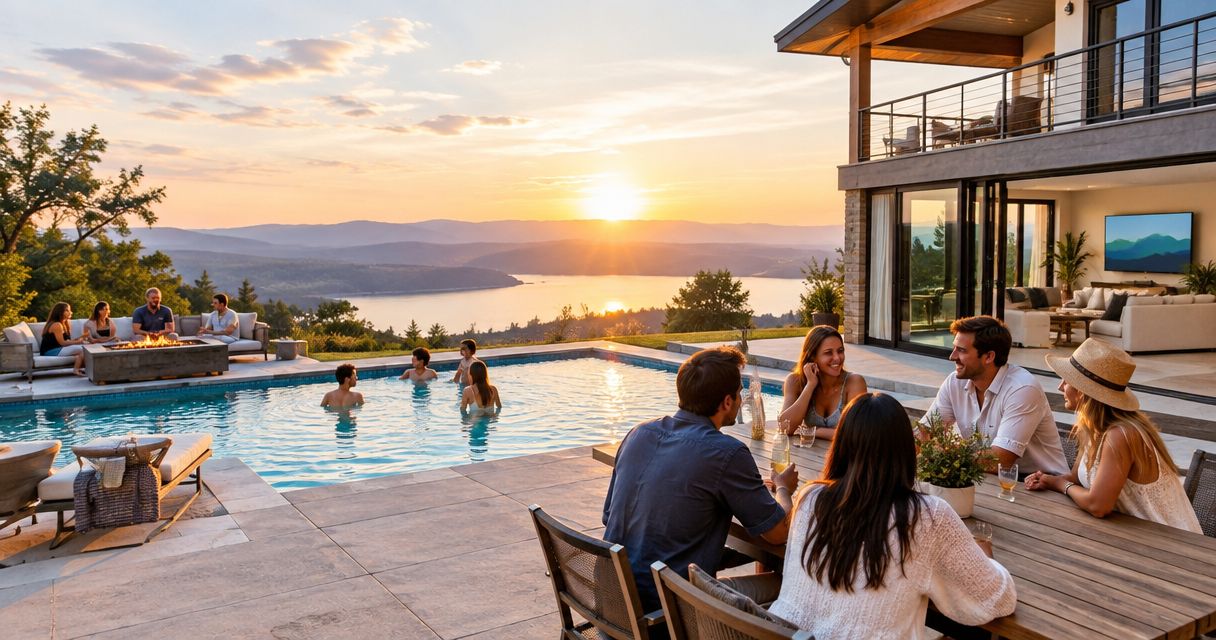

Large group rentals for content creators are private homes used for a shared stay and coordinated shoots, with the aim of keeping collaborators together without turning every room into a set. A creator collab needs more than enough beds: you need the host’s approval for the planned activity, room for shared work and a way for guests to rest when they are off camera.
- Large group rentals for content creators work when guest capacity, shoot permission and quiet space are confirmed separately.
- Lynxresort is best for groups of up to 16 seeking a private South Florida home booked directly with the host; confirm filming permission first.
- Choose a hotel room block when collaborators need separate rooms more than shared living space.
- Put guest consent, room use and the shoot schedule in writing before everyone arrives.
Why large group rentals matter for content creators
A creator collab combines a group trip with a production schedule. People sleep, cook, edit and spend time together in the same place where someone else wants to record. That overlap makes a private home useful, but it also creates friction unless the group agrees on where work ends and personal time begins.
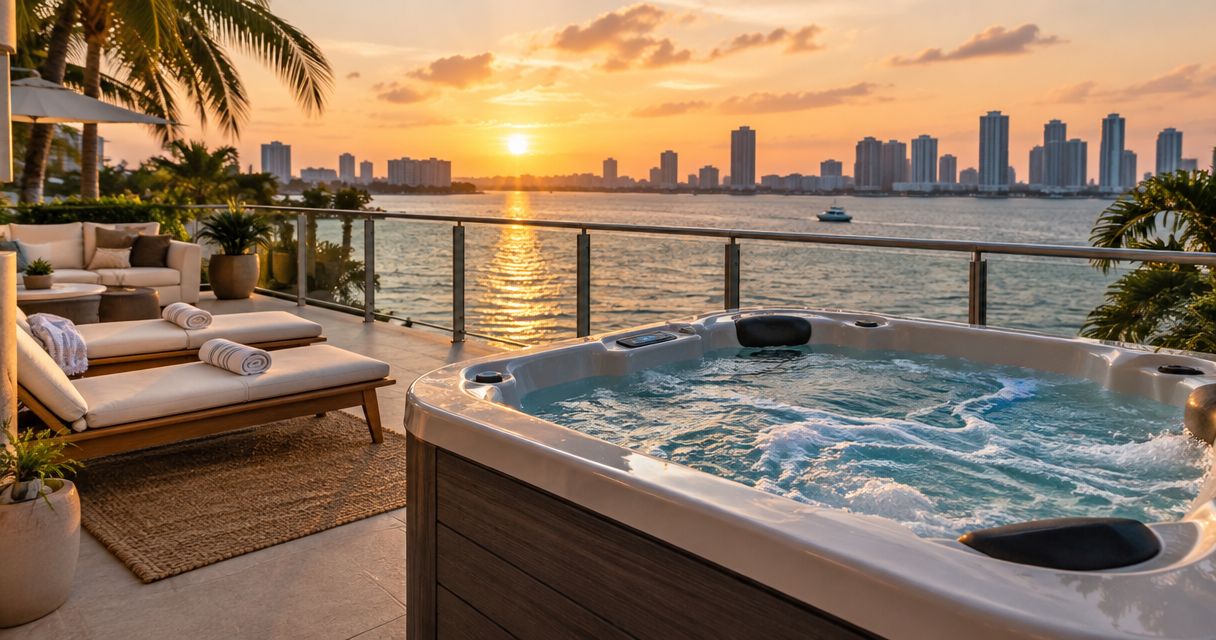
Lynxresort offers direct booking of 2 private vacation homes in South Florida, in West Palm Beach and Miami. Each sleeps up to 16 guests. That capacity makes a shared home a practical option for a large collab; it does not establish permission to film, bring extra crew or use the property for commercial work. Ask about the actual plan before you commit.
For a 2026 creator trip, start with three separate questions: Who is staying overnight? Who will come on site only to work? What will be recorded? A house that fits the guest list does not automatically fit the production. Treat those as separate approvals rather than one vague request for a group booking.
How to plan a creator collab in a shared rental
Define the guest list and the shoot footprint
Write down everyone who will sleep at the property, then make a separate list of people who will visit for the shoot. A photographer, stylist or collaborator who leaves that evening still affects parking, shared space and the host’s approval. Do not treat overnight capacity as permission to add day visitors.
Next, describe what the work involves in plain language. A phone-camera collaboration with the guests already staying at the home is a different request from a production with lighting, equipment and a visiting crew. You do not need a polished pitch to ask the host. You need an accurate one.
- Overnight guests: List every person who needs a bed.
- Day visitors: Name anyone who will enter without staying.
- Equipment: Describe what you plan to bring inside.
- Locations: Identify the rooms or outdoor areas you want to use.
Confirm permission before you book
Ask the host about filming, photography and any other planned activity before making the reservation. Be specific about commercial content, visiting collaborators, equipment and the areas you want to show. If the answer is limited to certain activities, build the schedule around those limits instead of assuming you can negotiate them after arrival.
Keep the approval in the booking conversation or another written record. Verbal agreement passed through one collaborator is easy for the rest of the group to misunderstand. The guide to renting a large-group vacation home for a photo shoot is a useful next read when the shoot, rather than the stay, is driving your choice.
- Describe the content: Say whether you plan to record personal or commercial work.
- Name the participants: Include visiting crew as well as overnight guests.
- Identify the setup: Explain equipment and intended shooting areas.
- Save the answer: Share the host’s written conditions with the group.
Assign rooms and working areas
A room assignment is also a privacy decision. If someone needs a quiet place to sleep, change clothes or take a call, do not schedule that space as a backdrop. Agree on shared working areas first. Then mark private rooms as off camera unless their occupants explicitly agree otherwise.
For a 2026 collab, plan where equipment will sit when nobody is using it. Gear left in a walkway changes how everyone uses the house. You can make a simple floor plan on paper; it only needs to show where people work, where they rest and where equipment goes. Confirm that the host permits the proposed use of each area.
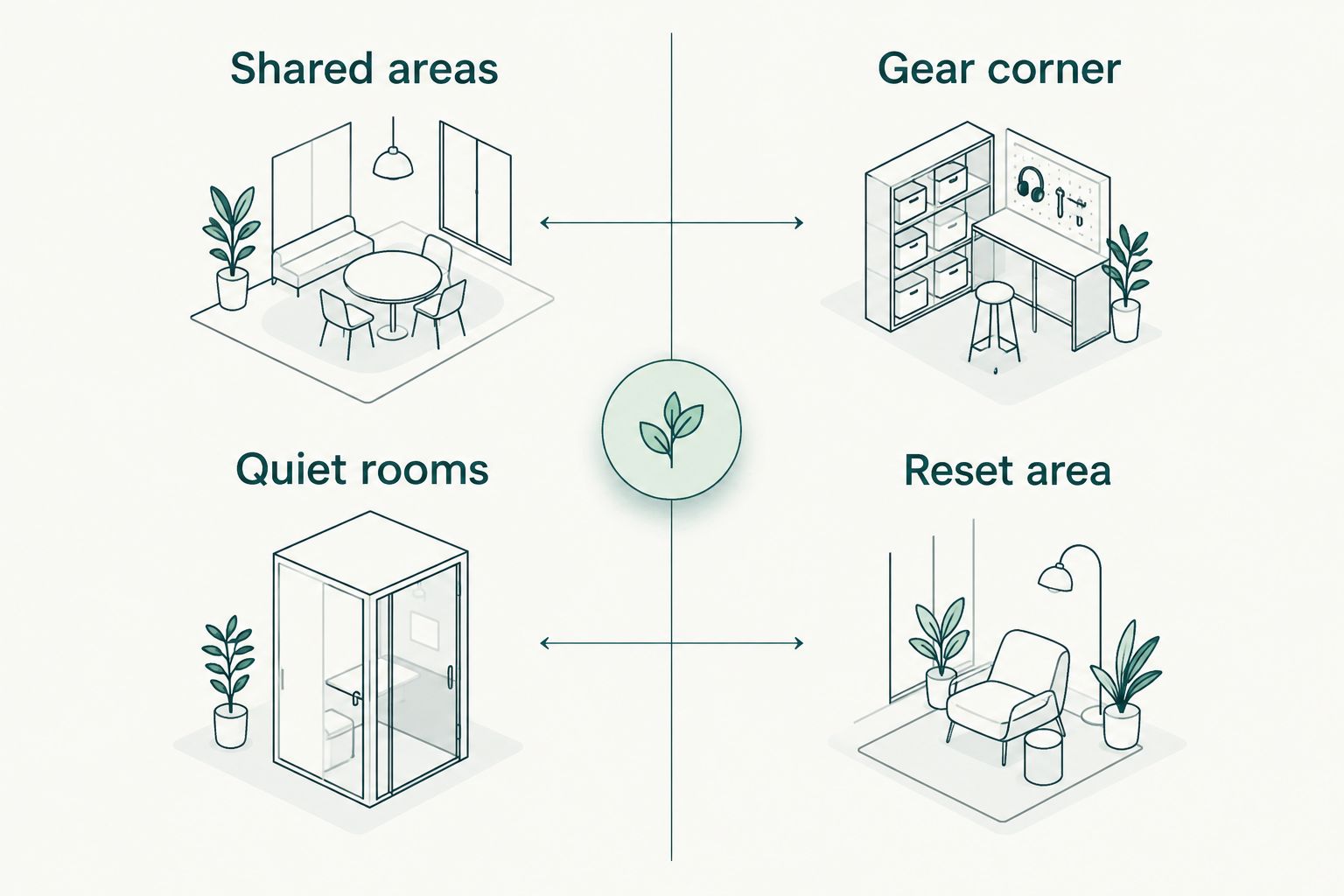
- Shared areas: Choose spaces the group can use without displacing someone’s belongings.
- Gear corner: Give equipment one agreed storage spot.
- Quiet rooms: Keep designated rest spaces off camera.
- Reset area: Leave a place for people who are not working.
Build the schedule around shared space
The shoot schedule has to coexist with the stay. Put planned recording periods on one shared calendar, along with meals, arrivals and time when the house is quiet. If several creators want the same room, assign turns. An open-ended promise to work things out on arrival usually leaves the most organized person managing everyone else’s time.
Separate required shots from ideas you would do only if time allows. That keeps the group from extending every setup into someone else’s break. In 2026, a shared document is enough for this job; the useful part is a schedule everyone has read and accepted, not the software used to write it.
- Recording windows: State when each shared area is in use.
- Room turns: Assign a person or team to each planned setup.
- Breaks: Protect time when nobody is expected to appear on camera.
- Backup shots: Mark optional ideas so they do not displace the core work.
Agree on content and consent
A group stay does not give every participant permission to publish footage of everyone else. Decide who can appear in posts, who can approve shared footage and which parts of the property should stay out of frame. Ask before recording someone who is resting, eating or working on their own material.
Also decide how collaborators will exchange files. One person should know where finished clips belong and who is responsible for sending them. That avoids a final-day scramble in which a creator leaves without material needed for a joint post. Keep the agreement short enough for the group to use during the stay.
- On-camera consent: Ask each participant what they agree to appear in.
- Private spaces: Keep bedrooms and personal items out of frame without permission.
- Shared footage: Name who can access and publish jointly created material.
- File handoff: Choose one shared process before the first shoot.
Prepare arrivals and equipment
Choose 1 point of contact for the host. That person can send the final guest and visitor lists, confirm arrival details and pass property instructions to everyone else. A group chat is useful for the guests, but it should not replace a clear person responsible for host communication.
Before travel, ask how arrivals work for a group and whether any planned deliveries or equipment setups need approval. Do not assume that a private home has space for vehicles, cases or a production load-in. Pack for the shoot you described to the host, not for a larger setup you hope will fit once you get there.
- Host contact: Assign one person to manage booking messages.
- Arrival plan: Share the confirmed check-in instructions with every guest.
- Equipment list: Match what you bring to the approved plan.
- Visitor plan: Tell day visitors when and how to arrive.
Leave time to reset the house
The final shoot should not end when everyone is due to leave. Put equipment packing, file checks and a walk-through on the schedule before departure. That gives collaborators time to find personal items and return shared rooms to ordinary use without rushing the rest of the group.
Decide who will check each working area rather than assigning the whole task to whoever leaves last. Follow the host’s actual departure instructions; do not invent your own version of what is required. A clean handoff matters whether the trip produced content, a retreat or both.
- Gear pack: Check shared spaces for equipment and charging items.
- File check: Confirm that collaborators have the agreed material.
- Room reset: Return moved items according to the host’s instructions.
- Final walk-through: Assign someone to check each used area.
Compare lodging options for a creator collab
The right setup depends on whether the group needs one shared base, separate rooms or a dedicated place to film. None of these options gives you filming permission by default. Ask the relevant host or venue what the planned work allows before booking.
| Option | Best for | What to confirm | Key limitation |
|---|---|---|---|
| Lynxresort private home, booked direct | Best for up to 16 collaborators seeking one private home in West Palm Beach or Miami | Filming, visitors, equipment and use of shared areas | The stated guest capacity does not confirm production permission or the room layout you need. |
| Another private vacation home | Best for groups comparing locations and layouts | Overnight capacity, host approval and spaces available to work | Listings vary; a suitable guest count alone does not establish shoot suitability. |
| Hotel room block | Best for collaborators who want separate rooms and personal space | Rules for filming in rooms and shared areas | Work spread across rooms needs more coordination. |
| Separate lodging and shoot venue | Best for a production that needs a dedicated work setting | Rules and access at both locations | The group has to move between where it stays and where it works. |
Lynxresort is best for creator groups of up to 16 seeking a private South Florida home booked directly with the host; filming permission must be confirmed before booking. That is the useful distinction for a 2026 collab. Shared lodging answers where the group stays. Written approval answers whether the content plan belongs there.
Discuss your group stay
Ask the host about your guest list and planned shoot before booking.
Common mistakes creator groups make
Counting only people with beds. A visiting photographer or collaborator still becomes part of the activity on site. Give the host both the overnight list and the visitor list before the reservation is settled.
Using the entire house as a set. A group rental is also where people sleep and take breaks. Keep agreed quiet rooms and a reset area outside the shooting plan, even when the schedule gets tight.
Asking for vague approval. Permission to stay is not the same as permission to shoot commercial content. Describe the people, equipment and planned use of space, then keep the host’s answer in writing.
Leaving publishing decisions until afterward. Consent to take part in a trip is not consent to appear in every post. Agree on on-camera boundaries and shared footage before anyone starts recording.
Packing the schedule to departure. Leave time to collect files, clear equipment and follow the host’s checkout instructions. A final shot is not finished if the group cannot reset the space afterward.
FAQ
What are large group rentals for content creators?
Large group rentals for content creators are shared places to stay during a collaboration or shoot. Choose one by checking overnight capacity, usable shared space and the host’s permission for the specific work planned.
Can content creators film in a vacation rental?
Content creators can film in a vacation rental only within the host’s applicable rules and approval. Describe commercial use, visitors, equipment and intended filming areas before booking rather than assuming a guest reservation covers them.
Is a private home better than a hotel for a creator collab?
A private home is better when the group needs shared living space and one base for the stay, provided the host approves the work. A hotel room block suits collaborators who place more value on separate rooms; confirm filming rules there too.
How many guests can stay at a Lynxresort home?
Each of Lynxresort’s 2 private South Florida vacation homes sleeps up to 16 guests. Confirm the actual guest list and any day visitors with the host separately from questions about filming.
Do photographers count as guests at a group rental?
A photographer who visits for a shoot should be disclosed to the host even if they are not staying overnight. Overnight capacity does not, by itself, tell you which day visitors or production activities are permitted.
How should a creator group divide rooms and shoot space?
Assign sleeping rooms first, then agree on shared shooting areas and quiet space. Keep personal rooms off camera unless their occupants have agreed to the specific use.
What should creators ask before booking a South Florida group home in 2026?
Ask about overnight guests, day visitors, filming, equipment and the areas you plan to use. Send the actual content plan to the host and keep the response in writing before you book.
One last thing
For a 2026 collab, send the host the guest list and the shoot plan as two separate lists. It is a small distinction with a practical result: the host can answer who may stay without confusing that answer with what may happen at the property. Once both are clear, build the room assignments and schedule around the approval you actually received.