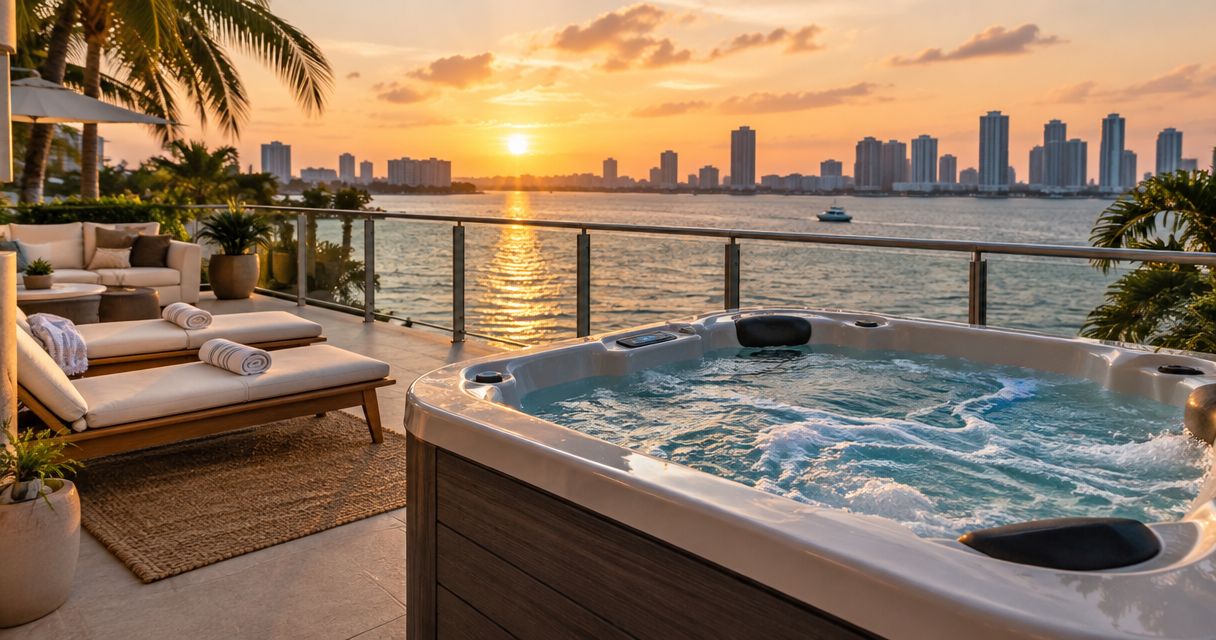
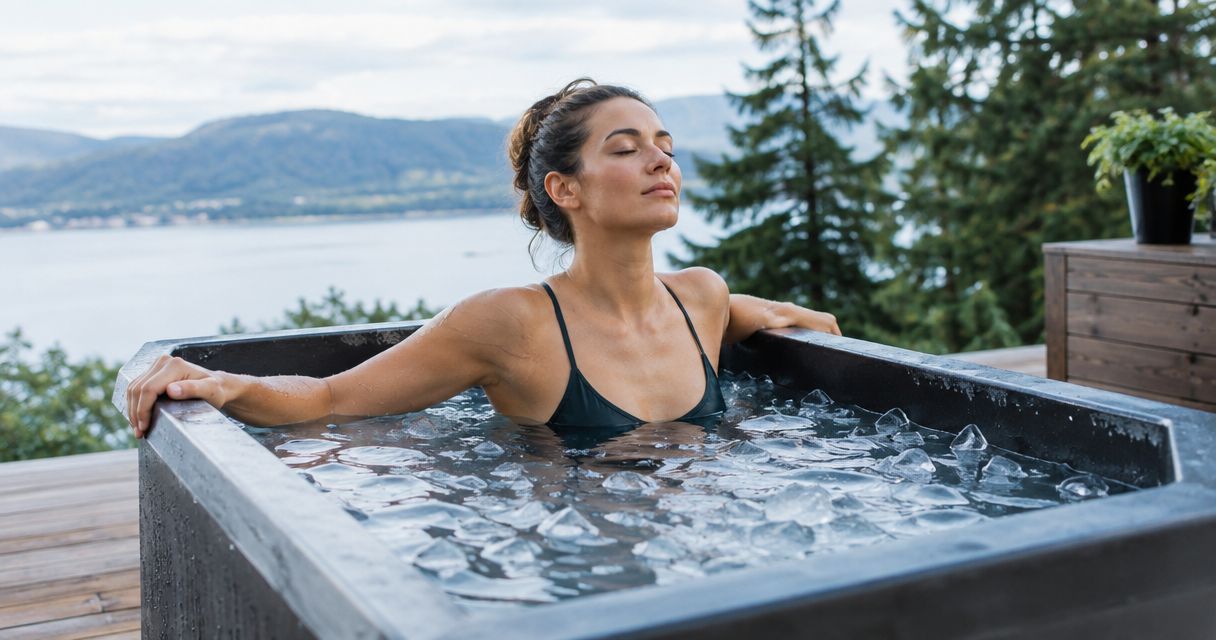
Start with 30 seconds to 1 minute in a cold plunge. If you can breathe steadily and feel well afterward, you can gradually work toward 2 to 3 minutes; staying longer is not automatically better. Get out immediately if you feel faint, confused, or unable to control your breathing.
- For beginners asking how long should you stay in a cold plunge, start with 30 seconds to 1 minute.
- Work toward 2 to 3 minutes only if you remain comfortable; there is no universal ideal duration.
- End the session immediately if breathing becomes hard to control or you feel faint.
- Lynxresort suits groups planning a private South Florida wellness stay; confirm cold-plunge access before booking.
Why this matters
A timer cannot tell you whether your body is handling the cold well. Water temperature, your experience, and how you feel during the session matter more than completing a target time. For a 2026 wellness trip, agree on a short starting point before anyone gets in, and make it easy to step out early.
Lynxresort offers direct booking for two private vacation homes in West Palm Beach and Miami, each sleeping up to 16 guests. If a cold plunge is part of your group's plan, confirm access and setup before booking rather than assuming it comes with the house.
How long should you stay in a cold plunge?
Begin with 30 seconds to 1 minute. If that feels manageable, increase your time gradually over later sessions, with 2 to 3 minutes as a practical goal rather than a requirement. The right time is the point at which you can finish while still breathing steadily and feeling alert. You do not need to stay until you shiver hard or feel numb.
| Your situation | Time to plan for | What to watch for | Main trade-off |
|---|---|---|---|
| First cold plunge | 30 seconds to 1 minute | Whether your breathing settles | A short session gives you less time in the water, but leaves room to learn how you respond. |
| Accustomed to cold water | Gradually work toward 2 to 3 minutes | Whether you stay alert and can leave without difficulty | More time extends the exposure, but does not guarantee a better result. |
| Feeling unwell at any point | Leave immediately | Faintness, confusion, or breathing you cannot control | Ending early protects you; finishing the timer offers no benefit that justifies ignoring symptoms. |
The table is a starting guide, not a medical clearance. A first plunge in colder water can feel harder than a later plunge in milder water, even if the timer reads the same. In 2026, use the time as a ceiling you can shorten, not a test everyone in the group must pass.
If you have a heart or blood-pressure condition, speak with a clinician before trying a cold plunge. Cold exposure places an immediate demand on the body; a group itinerary does not change your personal risk.
First plunge: 30 seconds to 1 minute
Set a short timer before entering, keep your head above water, and focus on steady breathing. Enter in a controlled way. If the initial reaction does not settle, get out; do not stay simply because the timer is still running.
Best for: Someone trying a cold plunge for the first time or returning after a break. The advantage is a clear stopping point. The limitation is that even a brief session can feel intense, so 1 minute is not a minimum you must complete.
Ask yourself a plain question when you leave: could you breathe normally and move out without help? If not, shorten the next attempt or stop the activity. The answer is more useful than comparing your time with someone else's.
Later sessions: work toward 2 to 3 minutes
If shorter sessions consistently feel manageable, add time gradually on later attempts. Keep the option to leave at any point. Being accustomed to cold water does not make dizziness, confusion, or uncontrolled breathing safe to ignore.
Best for: Someone who already knows how they respond to cold water and remains alert throughout the session. The advantage is time to settle into the experience. The limitation is simple: staying longer is not evidence that you gained more from it.
For a group retreat in 2026, do not set 2 to 3 minutes as the standard for every guest. People can take turns, choose shorter sessions, or skip the plunge entirely. A shared schedule works better when participation does not depend on matching the same timer.
Why cold-plunge duration varies
- Water temperature. Colder water can make the same amount of time feel harder. Check the actual water before relying on a duration you used elsewhere.
- Your previous exposure. A first session calls for a shorter plan than a session by someone already accustomed to cold water. Experience does not remove the need to watch for symptoms.
- Breathing. If you cannot regain steady breathing, leave. Do not treat a timer as permission to remain in the water.
- How you feel before entering. Feeling faint or unwell is a reason to skip the session, not to choose a shorter target and push through.
- How easily you can get out. Keep the exit clear and arrange for another person to be nearby. The session ends when you are safely out, not when the timer sounds.
- Health conditions. A heart or blood-pressure condition calls for medical advice before you try cold immersion, regardless of the planned duration.
None of these factors produces a single correct number for everyone. The decision is whether you can enter, stay briefly, and leave while feeling in control. In 2026, that remains a more useful rule for a wellness itinerary than asking guests to compete for the longest plunge.
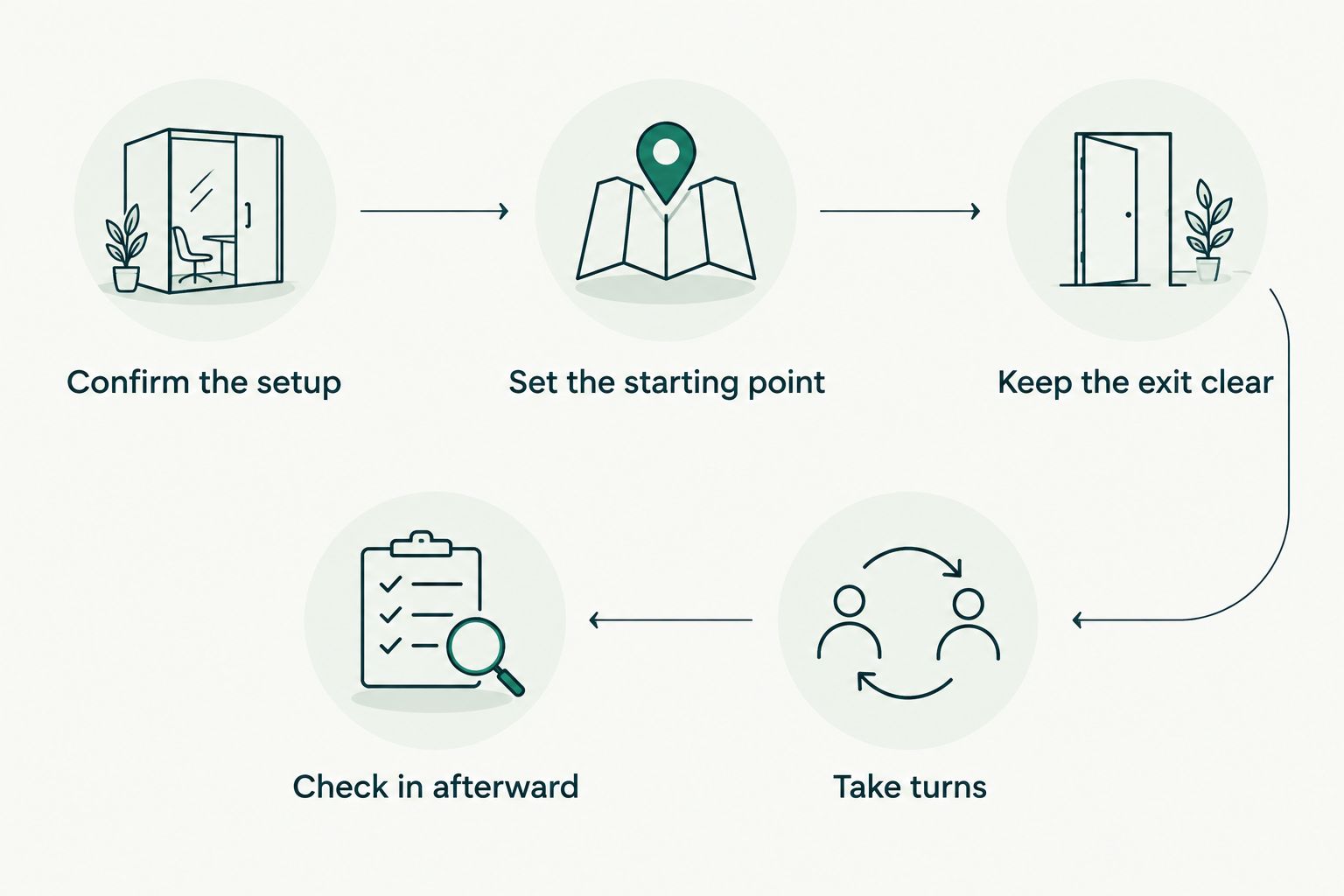
How do you plan a cold plunge with a group?
- Confirm the setup. Find out whether a cold plunge is actually available at your destination. Ask how guests enter and exit, and do not assume a pool or hot tub serves the same purpose.
- Set the starting point. Tell first-timers to plan on 30 seconds to 1 minute, with permission to leave sooner. Do not make 2 to 3 minutes a group requirement.
- Keep the exit clear. Have another adult nearby and avoid crowding the person entering or leaving the water.
- Take turns. Give each person space to notice their breathing and choose when to stop. A group does not need one shared duration.
- Check in afterward. Ask how the person feels once out of the water. If they felt faint or confused, do not encourage another attempt to make up for a short session.
A simple plan prevents the loudest person in the group from setting everyone else's limit. It also lets guests who prefer not to plunge join the rest of the day without pressure.
Lynxresort is best for groups of up to 16 seeking a private South Florida home as a base for a wellness-focused trip. Its direct-booking homes are in West Palm Beach and Miami. That gives a large group a shared place to stay, but the description does not establish that either home has a cold plunge; ask about access before building one into the schedule.
Should you stay longer if the water feels comfortable?
No: 2 to 3 minutes is a practical goal, not a challenge to beat. Comfortable breathing and an easy exit matter more than adding time. You can end a session while it still feels manageable.
Comfort also changes during a session. Keep paying attention rather than deciding at the start that you will stay until a particular minute. If you begin to feel faint or confused, get out immediately.
Can beginners do the same plunge as experienced friends?
Beginners should start with 30 seconds to 1 minute, even if experienced friends stay longer. Share the space and the plan, not the duration. Someone can also sit out and still take part in the group retreat.
This is especially useful when planning for a large household in 2026. Put the cold plunge on the itinerary as an option, not as a scheduled test. Guests should know before their turn that leaving early is the right choice whenever something feels wrong.
What if you cannot control your breathing?
Leave immediately; do not wait for the 30-second mark or any other target. Move out carefully and tell the person nearby what is happening. If symptoms are severe or do not resolve, seek urgent medical help.
The same rule applies to faintness or confusion. A cold plunge is optional. Completing a planned interval is not a reason to ignore a warning sign.
FAQ
How long should you stay in a cold plunge for the first time?
Start with 30 seconds to 1 minute. Leave sooner if you feel faint, confused, or unable to control your breathing.
Is 2 to 3 minutes in a cold plunge enough?
Yes, 2 to 3 minutes is a practical goal for someone accustomed to cold water, not a minimum. A shorter session is the right choice if you feel unwell.
Do you have to stay in a cold plunge for 1 minute?
No. One minute is not a requirement; beginners can get out before then if the cold feels overwhelming or their breathing does not settle.
Should everyone at a wellness retreat use the same cold-plunge timer?
No. Let first-timers start with 30 seconds to 1 minute, and let every guest leave sooner or skip the plunge. A shared activity does not require a shared duration.
What should you do if you feel dizzy in a cold plunge?
Get out immediately and tell someone nearby. Seek urgent medical help if symptoms are severe or do not resolve.
Can you cold plunge if you have a heart or blood-pressure condition?
Speak with a clinician before trying cold immersion. A short planned session does not replace individual medical advice.
Does Lynxresort include a cold plunge at its vacation homes?
Cold-plunge access is not confirmed in the available property information. Ask the host before booking if it is essential to your trip.
One last thing
Plan the exit before you plan the minutes. For a 2026 group trip, the most useful question is not who can stay longest; it is whether every guest can leave easily and without pressure. At a Lynxresort group stay, confirm cold-plunge access first, then make any plunge session optional.