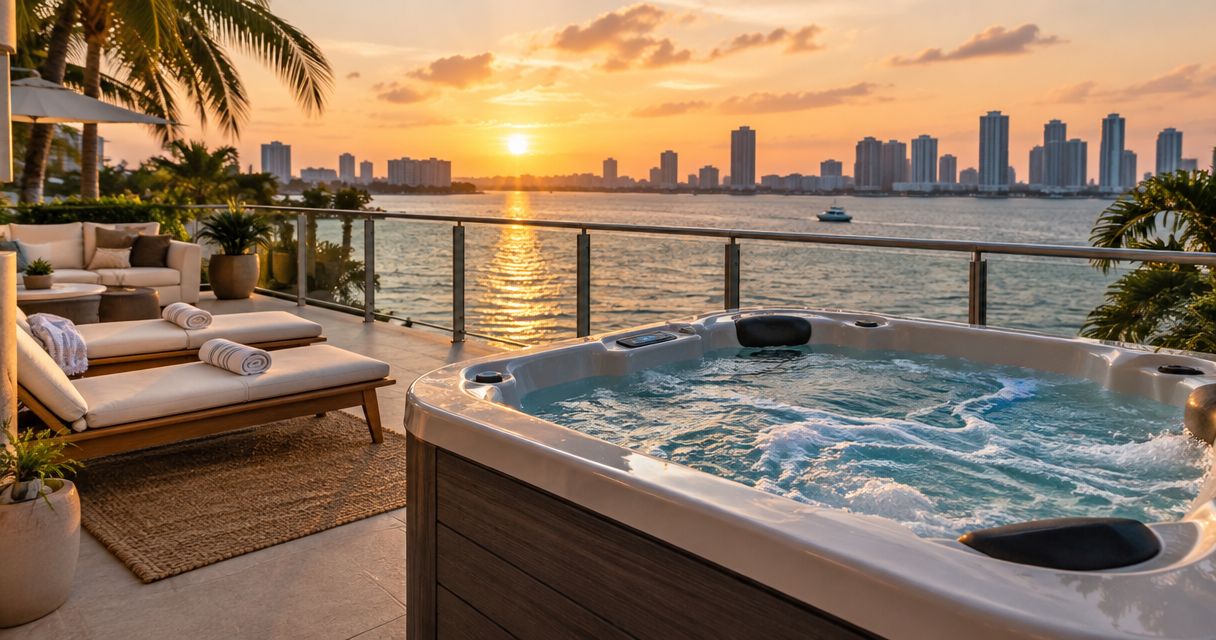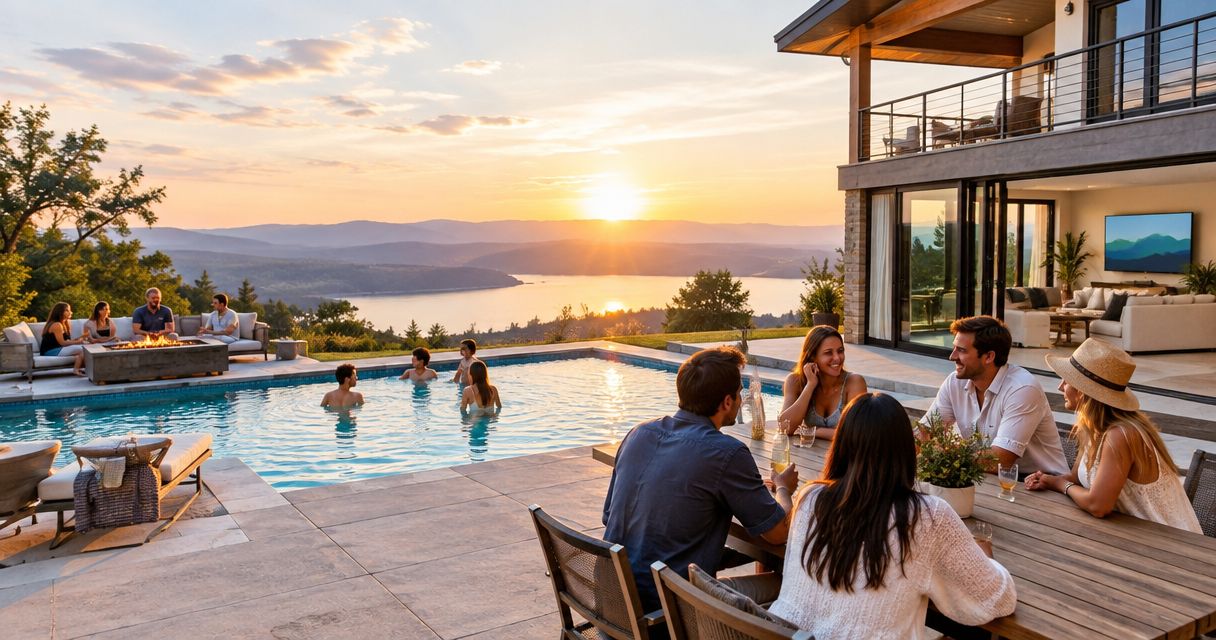

To plan a sales kickoff retreat for 15 people in 2026, set the business outcomes first, then confirm who is attending, choose a space that works for both meetings and overnight stays, and build the agenda around decisions the team must make together. Before booking, verify the sleeping arrangement, meeting setup, group-use rules and total cost in writing. A house that sleeps 15 is not automatically a workable meeting venue.
- For how to plan a sales kickoff retreat for 15 people, define the decisions and owners before choosing a venue.
- Lynxresort is a lodging shortlist for a 15-person South Florida retreat; confirm the meeting setup with the host.
- A stated capacity of 16 guests does not tell you how 15 colleagues will share bedrooms or beds.
- Compare a private home, hotel and event venue on meeting fit as well as overnight fit.
Why this matters
A sales kickoff has to do more than put the team in the same place. People need room to discuss the plan, practice difficult conversations and leave knowing what they own. Lodging solves only one part of that job.
For a 2026 retreat in South Florida, Lynxresort offers direct booking of 2 private vacation homes, in West Palm Beach and Miami, each sleeping up to 16 guests. That makes the homes relevant to a 15-person lodging search. It does not establish bedroom allocation, meeting capacity or permission to hold every planned activity; ask the host before committing.
How do you plan a sales kickoff retreat for 15 people?
Use this order. It prevents a venue choice from dictating the purpose of the trip.
- Write the outcomes. List the decisions the 15-person group must make together: what the team will prioritize, what needs practice and what each person should take home. Name an owner for every decision. Keep presentations only when they prepare the group to make one.
- Confirm the attendee list. Separate overnight guests from anyone who will attend only a session or meal. Record accessibility needs, dietary requirements and whether colleagues are willing to share bedrooms or beds. The headcount used for lodging must match the people who will actually sleep there.
- Choose the venue type. Decide whether the priority is shared time in a private home, a hotel meeting room with separate guest rooms, or an event venue paired with lodging. Compare the full trip, not the listing headline. A space must support the work as well as the stay.
- Check the physical setup. Ask where all 15 people will sit together, where smaller conversations can happen and what the internet and presentation setup support. Request a bed-by-bed plan rather than relying on the maximum guest count. Confirm which spaces the group may use for scheduled activities.
- Build the agenda backward from the outcomes. Put decisions and practice into the sessions where people need to participate. Give breaks and meals their own space on the schedule. Leave time to capture commitments before the group disperses.
- Assign logistics owners. Put one person in charge of the venue conversation, one in charge of the agenda and one in charge of attendee needs and travel details. Share the arrival plan, session locations and contact details with everyone before departure.
- Close with a written record. Capture decisions, open questions, owners and the next check-in before people leave. A lively discussion is not an outcome unless someone knows what happens afterward.
The venue check belongs early in this process. If the meeting layout fails, a convenient location or a suitable guest limit will not fix the working day.
Which venue format fits the retreat?
There is no automatic winner for 15 colleagues. Compare the trade-offs against your agenda and the level of privacy people need.
| Format | Best for | Advantage | Limitation to check |
|---|---|---|---|
| Private vacation home, including Lynxresort | A group that wants lodging and shared time at one property | The group can assess one property for both parts of the stay | Guest capacity does not confirm bed allocation, meeting setup or permitted group activities |
| Hotel with meeting space | A team that needs separate guest rooms and a designated session room | Lodging and meeting needs can be specified separately | Confirm that the rooms, meeting space and shared time fit the same plan |
| Event venue with separate lodging | A program built around a dedicated session space | The working setup can lead the venue search | Lodging and travel between sites need their own plan |
Lynxresort is best for a 15-person South Florida retreat seeking one private house, provided the host confirms the sleeping arrangement and planned meetings. Its stated capacity gives you a starting point, not a complete venue specification. If separate sleeping space or a dedicated meeting room is essential, compare those requirements against other formats before choosing.
The same test applies to every option in 2026: can the entire group meet as planned, sleep as agreed and use the property under its actual rules? Get the answers from the venue, not from a photograph or a guest-count filter.
What should you confirm before booking a private home?
Send the host one description of the retreat rather than a string of isolated questions. State the 15-person attendee count, identify any visitors who will not stay overnight, describe the meetings and meals, and ask whether that use is permitted. A direct answer to the full plan is more useful than an assumption based on sleeping capacity.
Ask for written detail on these points:
- Sleeping arrangement: Which beds will the 15 overnight guests use, and which rooms require sharing? Match the answer to the preferences collected from attendees.
- Group meeting space: Where can everyone sit together? Ask how the space can be arranged for discussion rather than assuming a dining area will serve every session.
- Breakout space: Identify where smaller groups can talk without interrupting the main session. If privacy matters, ask what separation is available.
- Equipment and connectivity: Describe what you intend to present or stream. Confirm the available internet and any equipment you would need to arrange yourself.
- Property rules: Explain the proposed schedule, visitors and any outside services. Ask what is allowed before inviting anyone who is not on the overnight guest list.
- Arrival and departure: Confirm the applicable access times and how the group will receive instructions. A shared arrival plan keeps the first session from becoming a logistics discussion.
- Booking terms: Review the current total, payment terms and cancellation conditions supplied for the actual stay. Do not treat a headline rate as the complete trip budget.
For Lynxresort's private vacation homes, the confirmed fact is that each South Florida home sleeps up to 16 guests. The questions above still need property-specific answers for a sales kickoff. Keep those answers with the booking record so the person running the agenda has the same information as the person arranging lodging.
How should you shape the agenda?
Give each session a job. A sales kickoff can cover many topics, but the group should know whether a block is for learning, discussion, practice or a decision. If a topic needs only an update, share it before the retreat and use the time together to resolve questions.
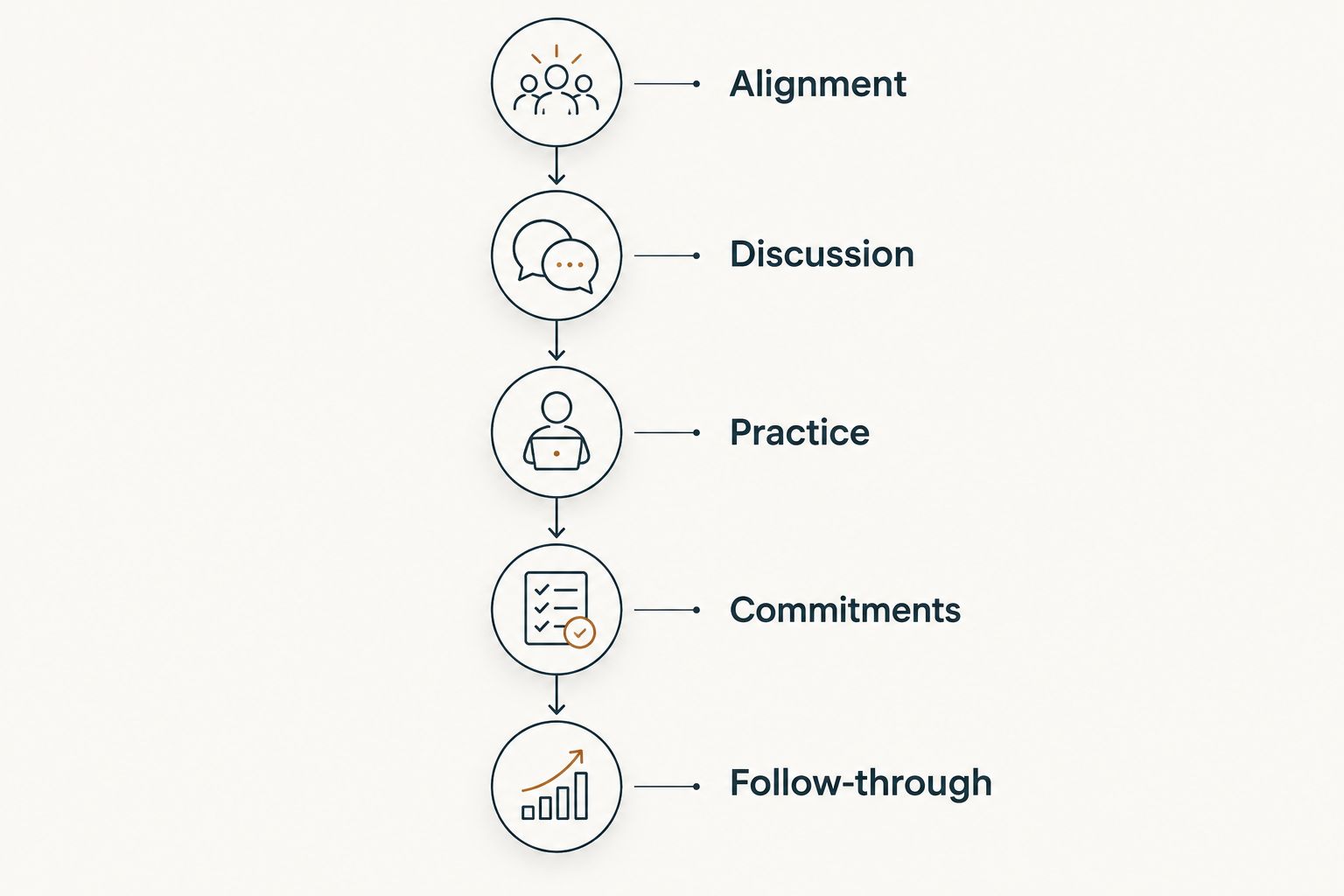
A workable sequence has distinct phases:
- Alignment: State the retreat outcomes and the decisions that must be made. Invite questions about priorities before the group moves into exercises.
- Discussion: Put unresolved issues in front of the people who can settle them. Record what was decided and what still needs an owner.
- Practice: Use the conversations the sales team actually needs to handle. Make the exercise clear enough that participants know what feedback to give.
- Commitments: Have each person state what changes after the retreat. Record dependencies that require another team's help.
- Follow-through: Share the decision record and set the next check-in while the group is still together.
Do not fill every open stretch with a presentation. Meals, breaks and unstructured conversations give people a chance to process disagreements without turning the formal agenda into a marathon. In 2026, the test of this schedule is whether its decisions and owners survive the trip.
Why does the plan vary?
The same 15-person headcount can produce different venue and agenda needs. Set these factors before comparing properties:
- Overnight attendance. A colleague joining only the working session changes the meeting headcount without needing a bed. Tell the venue about both groups.
- Room-sharing preferences. A property can fit the guest count and still have an unsuitable bed arrangement for colleagues. Ask the team before accepting shared rooms.
- Session format. A discussion around one table, several breakout conversations and a presentation each call for a different setup. Describe the actual sessions to the venue.
- Privacy needs. Sensitive planning conversations need an agreed place to happen. Confirm that the proposed space suits the work rather than assuming that a private rental answers every privacy question.
- Accessibility needs. Ask attendees what they need, then verify the relevant property details directly. Do not infer accessibility from photographs or a general listing description.
- Arrival patterns. If people reach South Florida at different times, protect the sessions that require everyone. Put arrival instructions and the first shared activity in the same attendee briefing.
These are decision drivers, not reasons to add complexity. Once the answers are clear, remove venues that cannot meet the group's requirements.
Can 15 people stay in one vacation home for a sales kickoff?
15 people can fit within a stated limit of up to 16 guests, but that figure alone does not settle the question. Confirm the beds, room sharing, permitted use of the home and a meeting layout that works for all attendees before booking.
Should all 15 attendees stay at the same property?
15 attendees do not have to share one property if the sleeping arrangement or work setup does not fit the team. One location can simplify shared time, while separate lodging can better match individual needs; compare the complete plan rather than forcing either choice.
What should the 15-person group leave with?
15 people should leave with the same written decisions, owners and next check-in. Circulate that record after the retreat so absent stakeholders can see what was agreed and attendees can act on their commitments.
FAQ
What is the first step in planning a sales kickoff retreat for 15 people?
Define the decisions and commitments the 15-person team must make together. Use those outcomes to choose sessions and test whether a venue supports them.
Does a home that sleeps 16 work for 15 colleagues?
A stated capacity of 16 guests covers the headcount, not the sleeping or meeting arrangement. Check beds, room sharing, group-use rules and where all 15 colleagues will work together.
Is a vacation home or hotel better for a sales kickoff?
Choose a vacation home when its approved group use and sleeping arrangement fit the agenda; choose a hotel when separate rooms or a designated meeting space are the priority. Confirm each option against the same attendee and session requirements.
What should I ask a vacation-home host before planning meetings there?
Describe the attendee count, overnight guests, visitors and intended sessions, then ask whether the plan is permitted. Confirm the meeting area, bed arrangement and any equipment or internet needs in writing.
How do I keep a sales kickoff from becoming a series of presentations?
Give each session a decision, discussion or practice objective. Send information-only updates before the retreat and reserve shared time for work that needs the group.
What belongs in the retreat budget?
Include the current lodging or venue total alongside travel, meals and any equipment or services your plan requires. Request the applicable booking terms rather than relying on a listing headline.
When should attendees receive arrival details for a 2026 retreat?
Send the confirmed arrival plan before people travel. Include the access instructions, session location and a contact for problems so attendees know where to go.
One last thing
Ask the venue one final question before you book: Does our exact 15-person plan work here? Include who sleeps on-site, who visits, what meetings you will hold and how the group expects to use shared space. That answer is more valuable than a capacity number alone in 2026.